
死亡谷COP17 "China Corner" showcases China's achievements in combating desertification_我的网站
A | 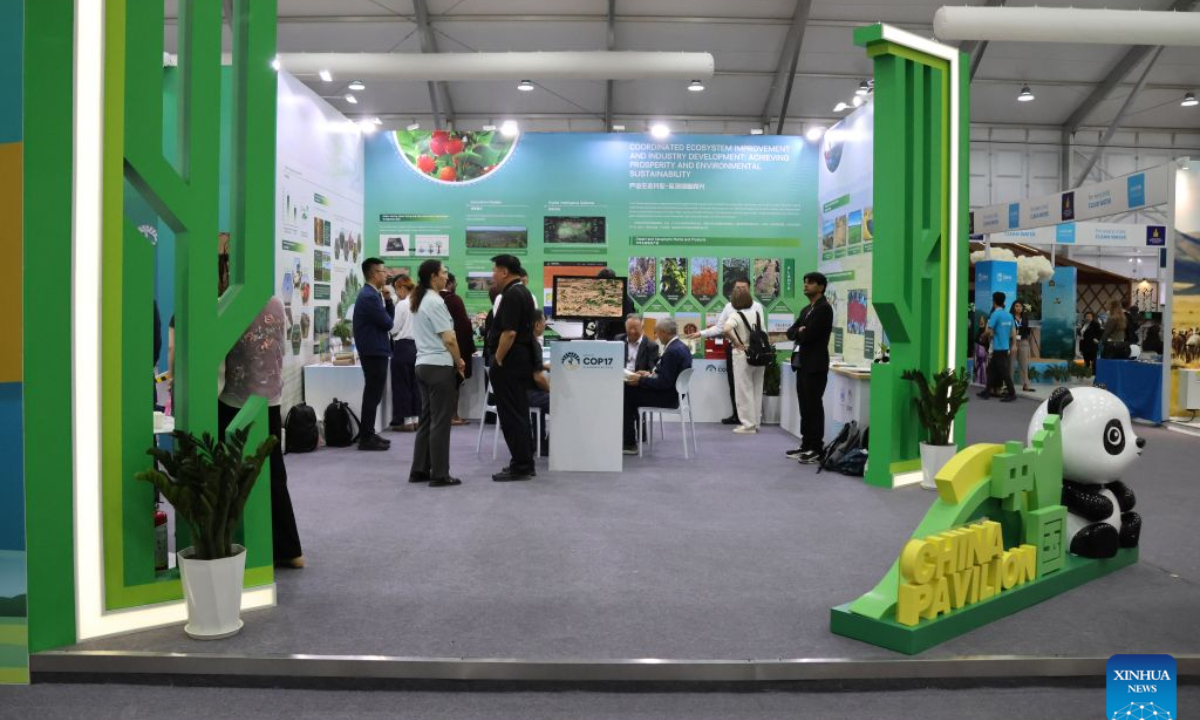 Held under the overall theme of COP17, "Restoring Land, Restoring Hope," the exhibition presents China's efforts and achievements in combating desertification through five chapters across three dimensions. Chapter 1: The Great Green Wall - Strengthening the Ecological Security Barrier in the North Since 1978, China has launched a series of major ecological projects, including the Three-North Shelterbelt Forest Program (TSFP), widely recognized as the world's largest afforestation program. The TSFP was launched in 1978 and is scheduled to run until 2050. It is being implemented in eight phases, with the program currently in its sixth phase. Since the implementation of the TSFP began, forest and grassland coverage in the project area has reached 40.76 percent, while the treatment rate of desertified land has reached 67.82 percent. Chapter 2: Prairie Conservation and Restoration - Bringing Grasslands Back to Life Since the 14th Five-Year Plan period, China has rehabilitated and restored nearly 15.33 million hectares of degraded grassland. In addition, nearly 80.66 million hectares of grassland have been restored through measures such as grazing bans and enclosure, benefiting approximately 12 million farmers and herders. Chapter 3: International Cooperation - Building a Green Community with a Shared Future Upholding the concept of a community of life on Earth, China has established desertification cooperation platforms with Arab countries, Mongolia, and Central Asian countries. It has also supported Belt and Road countries in their efforts to combat desertification, sharing Chinese experience and solutions for global ecological governance. Chapter 4: Scientific Prevention and Control - Combining Knowledge and Technology to Enhance Governance Efficiency China adheres to an integrated approach to the protection and systematic management of mountains, rivers, forests, farmlands, lakes, grasslands, and deserts. It adapts measures to local conditions, prioritizes water-efficient approaches to ecological restoration, and implements targeted treatments in different areas. In terms of technological advancement, the utilization rate of high-quality seeds has exceeded 75 percent, while the mechanization rate of sand control has reached 50 percent. The application of new equipment has increased the efficiency of sand-control operations by more than threefold. Chapter 5: Coordinated Development of Ecological Industries - Achieving Green Prosperity Together China has developed ecological industries and ecotourism initiatives tailored to local conditions, promoting the integrated development of ecological protection, industrial growth, and improvements in people's livelihoods. These efforts have helped transform desert and sandy areas into "green homes," enabling local communities to increase their incomes and achieve greater prosperity. China has seen a continuous decline in the areas affected by desertification and land salinization, becoming the first country in the world to achieve "zero growth" in land degradation. Approximately 53 percent of manageable salinized land has been effectively treated, making China a global leader in ecological restoration. During COP17, which runs through Aug. 28, the "China Corner" will also host a series of thematic side events to facilitate exchanges on ideas, technologies, and practices for combating desertification. 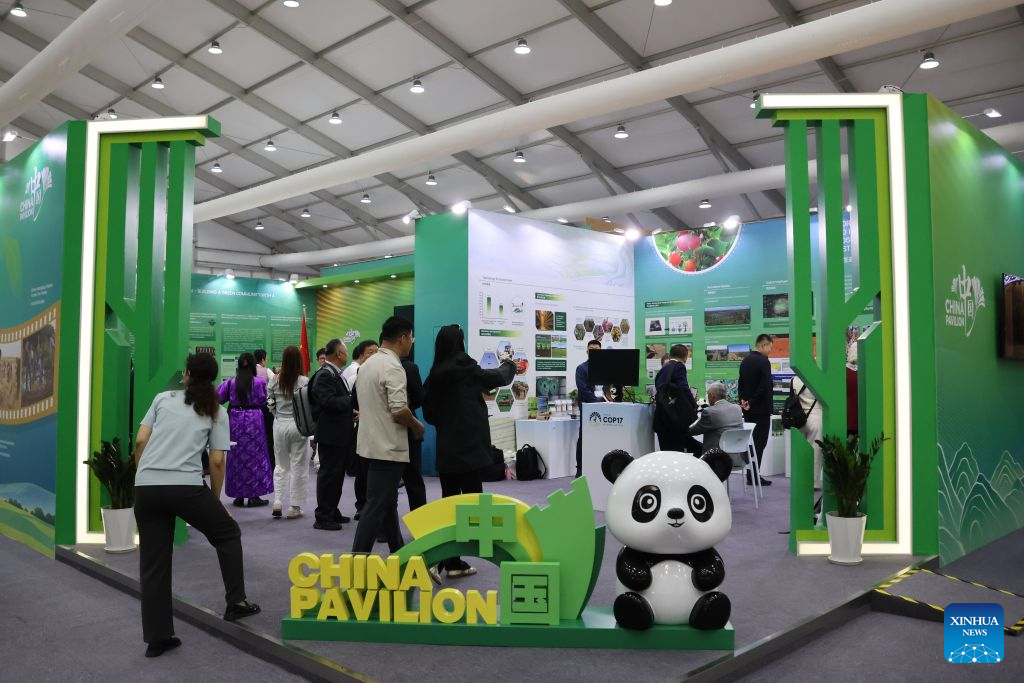 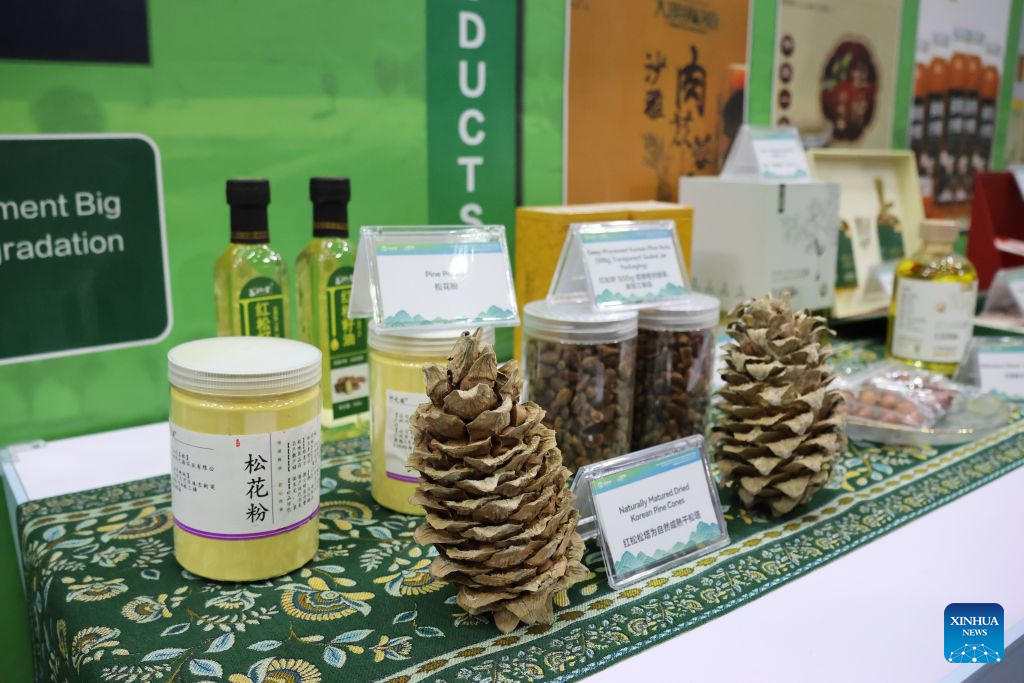 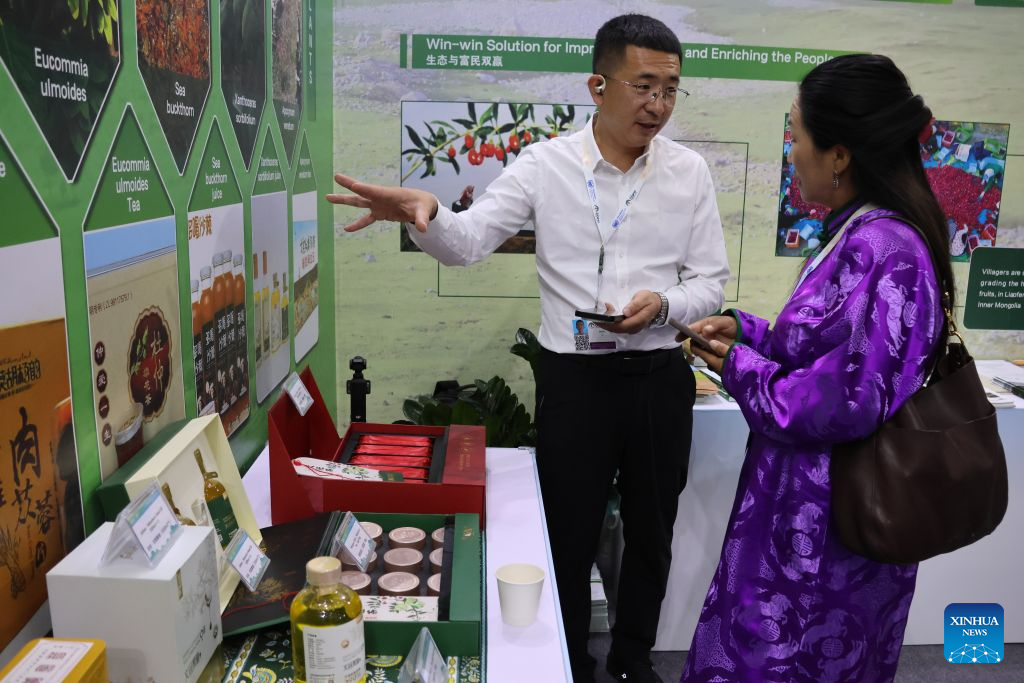 。 杭州日报讯 近日,浙江省自然资源厅汇编印发《浙江省工业用地高效利用推荐模式》,总结提炼各地特色鲜明、富有成效的实践案例,形成精准配置、减负降本、提质增效、服务保障四大类“实景教材”。其中,杭州滨江区“工业综合体”、富阳区“村域联动”改造提升两个模式入选。今年5月,省自然资源厅、省发展改革委、省经信厅联合印发了《关于进一步加强工业用地供给 持续推动工业经济高质量发展的指导意见》,从政策层面为工业用地高效利用提供系统方案。此次汇编进一步将政策语言转化为可看、可学、可复制的实践路径。面对产业空间紧张与成长型企业用地需求,滨江区探索由“供地”向“供楼”转变,通过集约规划、分层登记、按需定制、配套共享和精准准入,建设功能复合的“工业综合体”,并支持企业“先租后买”,让优质中小企业获得与发展阶段相匹配的产业空间。以第一工业综合体为例,目前已引入企业20余家,盘活存量土地75亩,全部入驻后预计可节约工业用地300余亩。在富阳区,工业用地提质增效的创新探索落在低效工业片区整体更新上。在高尔夫路智能装备产业带,当地以5个村为基本开发单元,综合运用政府收储连片开发、企业自主改造提升、村级留用地混合开发等方式,推动村庄空间与产业空间协同重塑。经过4年改造,该区块累计腾退低效企业80余家,盘活土地1149亩,落地产业项目32个、总投资90.7亿元,容积率由1.2提高至2.0,主导产业集聚度达91.4%。一个向空间要增量,一个从存量挖潜力。两个杭州案例,均体现了土地要素跟着优质项目走、有限空间围绕产业需求精准配置的改革导向。市规划和自然资源局相关负责人表示,下一步,杭州将继续强化政策服务和用地保障,推动土地资源精准配置、存量空间提质增效,以土地要素保障之“进”,支撑产业发展之“稳”,为推动经济持续稳进向好提供有力的空间支撑。 Current article:http://pva.suilaoheirenzhaizhaikang.sbs/list_5qtv/blgnmr.html Published on:09:08:17 |
